Maintaining a swimming pool is more than just keeping the water clean and clear. One of the most critical aspects of pool ownership is ensuring that all safety equipment is functioning properly. Regular pool safety equipment check is essential to protect swimmers, prevent accidents, and extend the life of your pool components. Neglecting this can lead to costly repairs, unsafe swimming conditions, and even legal liabilities.
Safety equipment in pools includes items like pool covers, fences, alarms, and lifesaving devices. These components are designed to prevent accidents, especially for children and pets. A thorough pool safety equipment check ensures that:
Regular inspections help identify wear and tear or damage early. For example, a broken gate latch or a malfunctioning alarm can be fixed before it leads to a dangerous situation. Additionally, keeping safety equipment in top shape can reduce insurance premiums and demonstrate responsible pool ownership.
When performing a pool safety equipment check, focus on these key areas:
By systematically checking these components, you can maintain a safe swimming environment and avoid unexpected hazards.
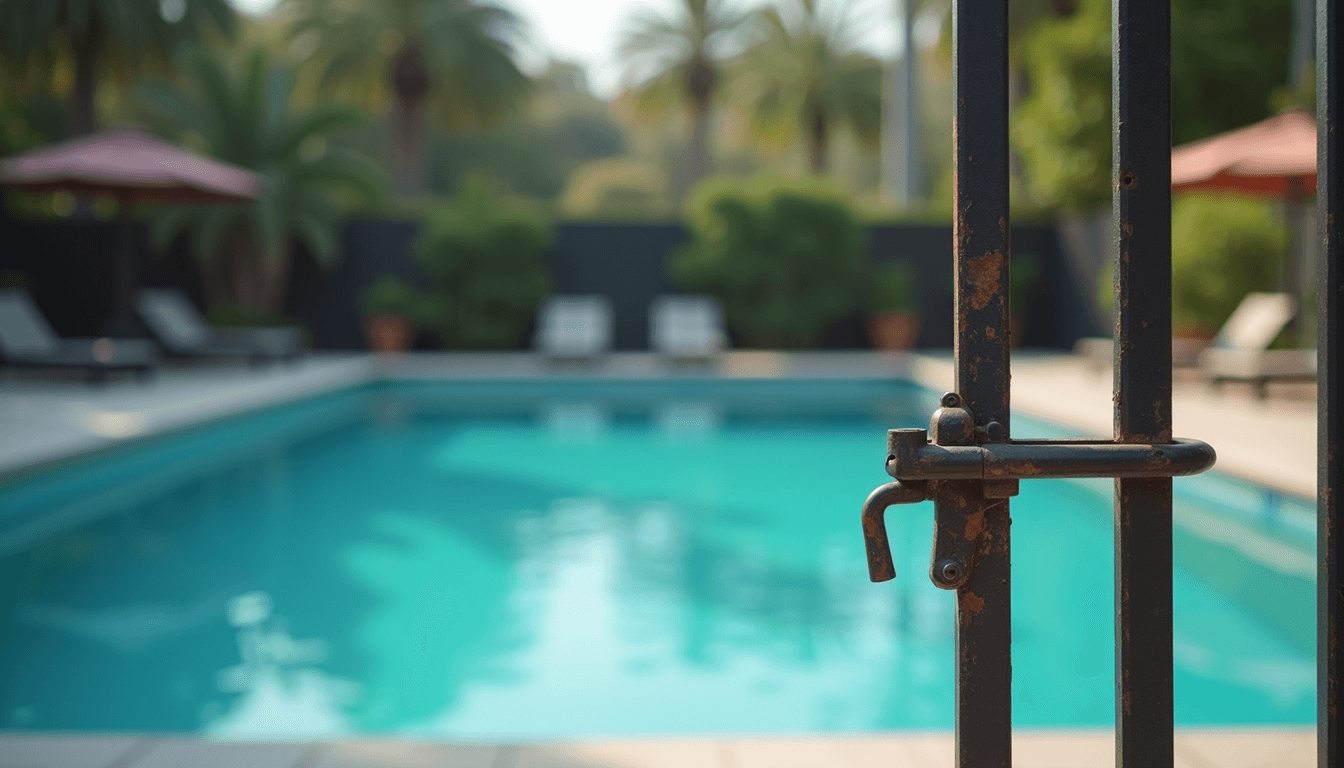
Eye-level view of pool fence and gate with latch
The frequency of servicing pool equipment depends on usage, climate, and the type of equipment. However, general guidelines include:
Regular servicing helps catch small issues before they become major problems. For example, a pump running inefficiently can increase energy costs and reduce water circulation, leading to algae growth. Scheduling routine maintenance ensures your pool remains safe, efficient, and enjoyable year-round.
Maintaining pool safety equipment doesn’t have to be complicated. Here are some actionable recommendations:
By following these tips, you can streamline your maintenance routine and ensure your pool remains a safe place for everyone.

High angle view of poolside with safety equipment and life ring
While homeowners can perform many maintenance tasks, a professional pool equipment inspection offers a comprehensive evaluation. Experts have the tools and experience to detect hidden issues such as leaks, electrical faults, or structural weaknesses. They can also advise on upgrades to improve safety and efficiency.
Scheduling a professional inspection annually or before the swimming season starts is a smart investment. It provides peace of mind knowing your pool equipment meets safety standards and operates optimally.
Regular pool safety equipment check is a vital part of pool ownership. It protects swimmers, prevents accidents, and helps maintain the longevity of your pool. By inspecting fences, alarms, covers, and rescue gear routinely, you create a safer environment for family and guests.
Incorporate a maintenance schedule, keep detailed records, and don’t hesitate to call in professionals for thorough inspections. These steps will ensure your pool remains a source of fun and relaxation without compromising safety.
Taking care of your pool equipment today means fewer headaches tomorrow and a safer swimming experience for everyone.