Ensuring Longevity with Pool Equipment Inspections

Maintaining a swimming pool is more than just keeping the water clean and clear. The longevity of your pool depends heavily on the condition of its equipment. Regular pool equipment checkups are essential to avoid costly repairs and ensure your pool operates efficiently. This article explores practical ways to keep your pool equipment in top shape, helping you enjoy your pool for years to come.

Why Regular Pool Equipment Check is Essential

A pool is a complex system with many components working together. Pumps, filters, heaters, and chlorinators all play a vital role. When one piece of equipment fails, it can affect the entire system. Regular pool equipment check helps identify small issues before they become major problems.

For example, a clogged filter can reduce water flow, causing the pump to overheat. This not only wastes energy but can also lead to pump failure. By inspecting and cleaning filters regularly, you can prevent this scenario.

Key benefits of regular pool equipment check:
  • Extends the lifespan of equipment
  • Saves money on emergency repairs
  • Improves energy efficiency
  • Maintains water quality and safety
  • Prevents unexpected downtime

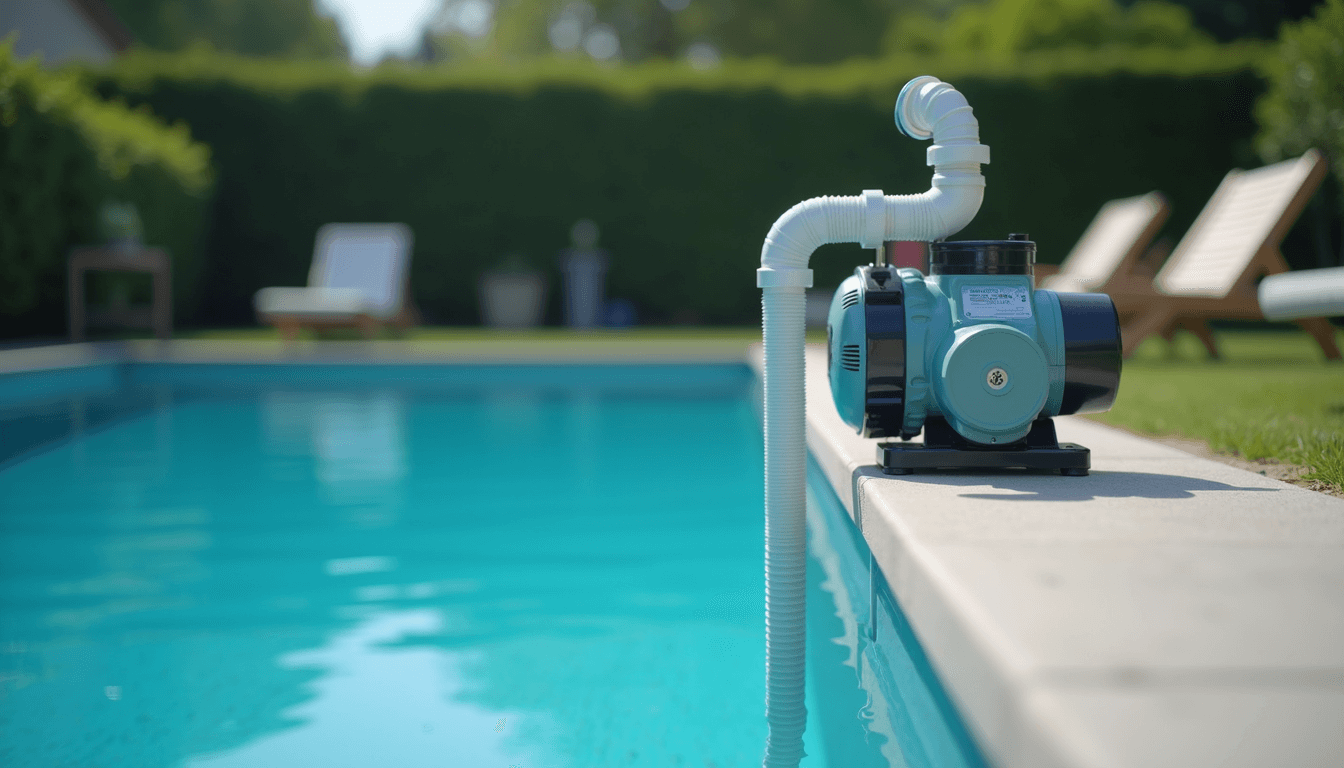
Pool pump and filter system maintenance
Close-up view of pool pump and filter system

How to Perform a Thorough Pool Equipment Check

Performing a pool equipment check does not require professional skills, but it does require attention to detail. Here’s a step-by-step guide to help you inspect your pool equipment effectively:

  1. Visual Inspection
    Look for cracks, leaks, rust, or corrosion on pumps, pipes, and fittings. Check electrical connections for wear or damage.
  2. Check the Pump
    Listen for unusual noises such as grinding or rattling. Ensure the pump basket is clean and free of debris.
  3. Inspect the Filter
    Backwash sand or DE filters as needed. Clean or replace cartridge filters regularly.
  4. Examine the Heater
    Look for signs of rust or corrosion. Test the heater to ensure it reaches the desired temperature.
  5. Test the Chlorinator
    Verify that the chlorinator is dispensing the correct amount of chlorine. Clean the cell if necessary.
  6. Check Valves and Pipes
    Make sure valves open and close smoothly. Look for leaks or blockages in pipes.
  7. Monitor Water Flow and Pressure
    Use pressure gauges to check for abnormal readings that could indicate blockages or pump issues.

By following these steps, you can catch problems early and keep your pool running smoothly.

Common Pool Equipment Issues and How to Fix Them

Even with regular checks, some issues are common and require prompt attention. Here are a few typical problems and practical solutions:

  • Pump Not Priming
    This can happen if there is air in the system or a leak in the suction line. Check for loose fittings and ensure the pump lid is sealed tightly.
  • Filter Pressure Too High
    Indicates a dirty filter. Backwash or clean the filter to restore normal pressure.
  • Heater Not Heating
    Could be due to a faulty thermostat or clogged heat exchanger. Test the thermostat and clean the exchanger as needed.
  • Leaking Valves
    Replace worn-out valve seals or gaskets to stop leaks.
  • Noisy Equipment
    Lubricate moving parts or replace worn bearings to reduce noise.

Regular maintenance and timely repairs will prevent these issues from escalating.
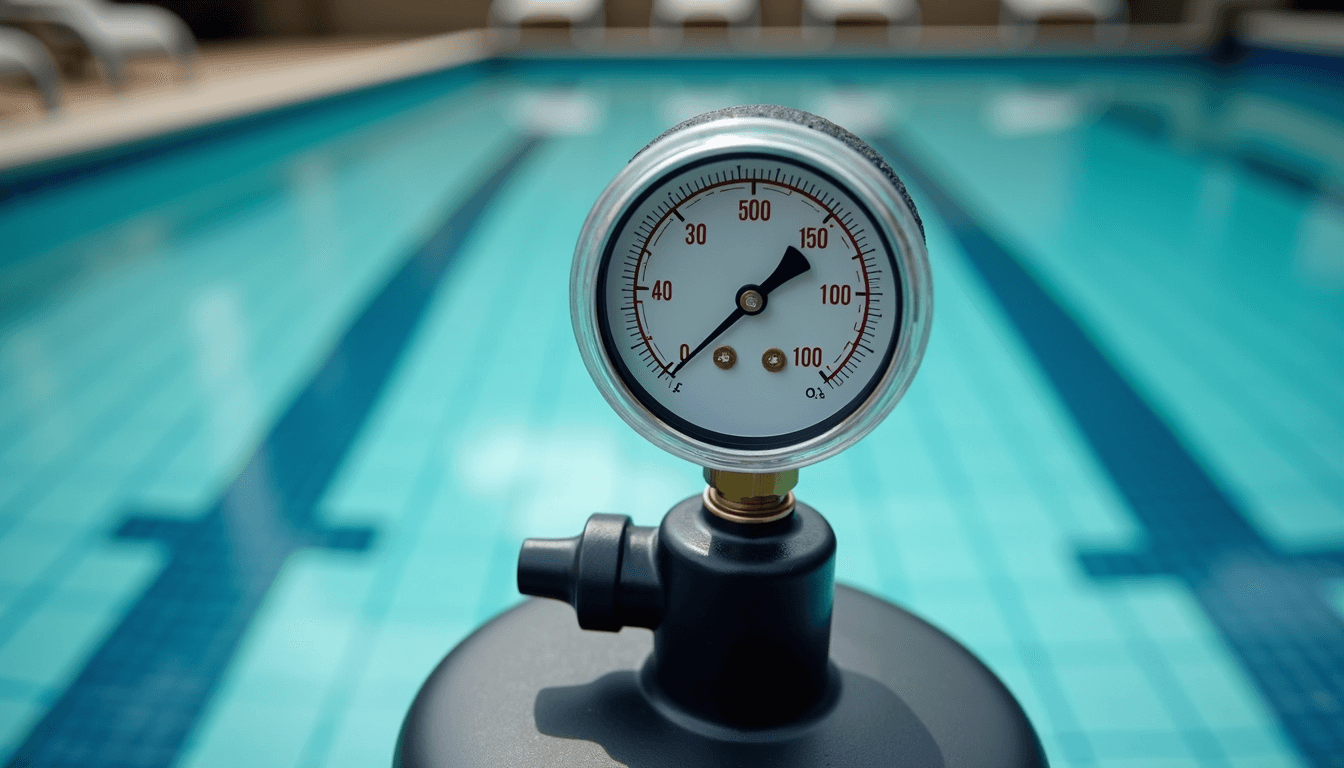
Pool filter pressure gauge reading
Eye-level view of pool filter with pressure gauge

Tips for Extending the Life of Your Pool Equipment

Taking extra steps to care for your pool equipment can significantly extend its lifespan. Here are some actionable tips:

  • Schedule Seasonal Inspections
    Inspect your equipment at the start and end of each swimming season.
  • Keep Equipment Clean
    Remove debris and dirt from pumps, filters, and heaters regularly.
  • Use a Surge Protector
    Protect electrical components from power surges.
  • Maintain Proper Water Chemistry
    Balanced water reduces corrosion and scaling on equipment.
  • Replace Worn Parts Promptly
    Don’t delay replacing seals, gaskets, or belts.
  • Cover Equipment When Not in Use
    Protect equipment from weather damage by using covers.

By following these tips, you can avoid premature equipment failure and costly replacements.

When to Call a Professional for Pool Equipment Check

While many maintenance tasks can be done by pool owners, some situations require professional expertise. Consider calling a pool technician if:

  • You notice persistent leaks that you cannot locate or fix.
  • Electrical components show signs of damage or malfunction.
  • The pump or heater fails to operate despite basic troubleshooting.
  • You want a comprehensive annual inspection to ensure everything is in top condition.

A professional pool equipment inspection can provide peace of mind and help you plan for future maintenance or upgrades.

For more detailed guidance on pool maintenance and professional services, visit this pool equipment inspection resource.

Keeping Your Pool Equipment in Top Shape for Years

Regular pool equipment check is the key to enjoying a safe, clean, and efficient swimming pool. By inspecting your equipment carefully, addressing issues promptly, and following maintenance best practices, you can extend the life of your pool system and avoid costly repairs.

Remember, a well-maintained pool is not only more enjoyable but also more energy-efficient and environmentally friendly. Make pool equipment check a routine part of your pool care, and you will reap the benefits season after season.

Working Hours

Visit our creative agency today!
Monday - Friday 8:00am to 6:00pm
Saturday 9:00am to 2:00pm
Closed Sunday

Schedule Your 
Free Consultation

Local Service Areas

Copyright © 2025 • A Pool and Spa  – All Rights Reserved